Crank-out windows
Casement Window Replacement for Olathe Houses
We replace casement windows in Olathe homes and swap other styles over to casements where they fit better. A casement swings out on a side hinge and closes against the frame on all four sides, so a house in this wind-swept part of Kansas ends up with fewer drafts and windows that open with one hand.
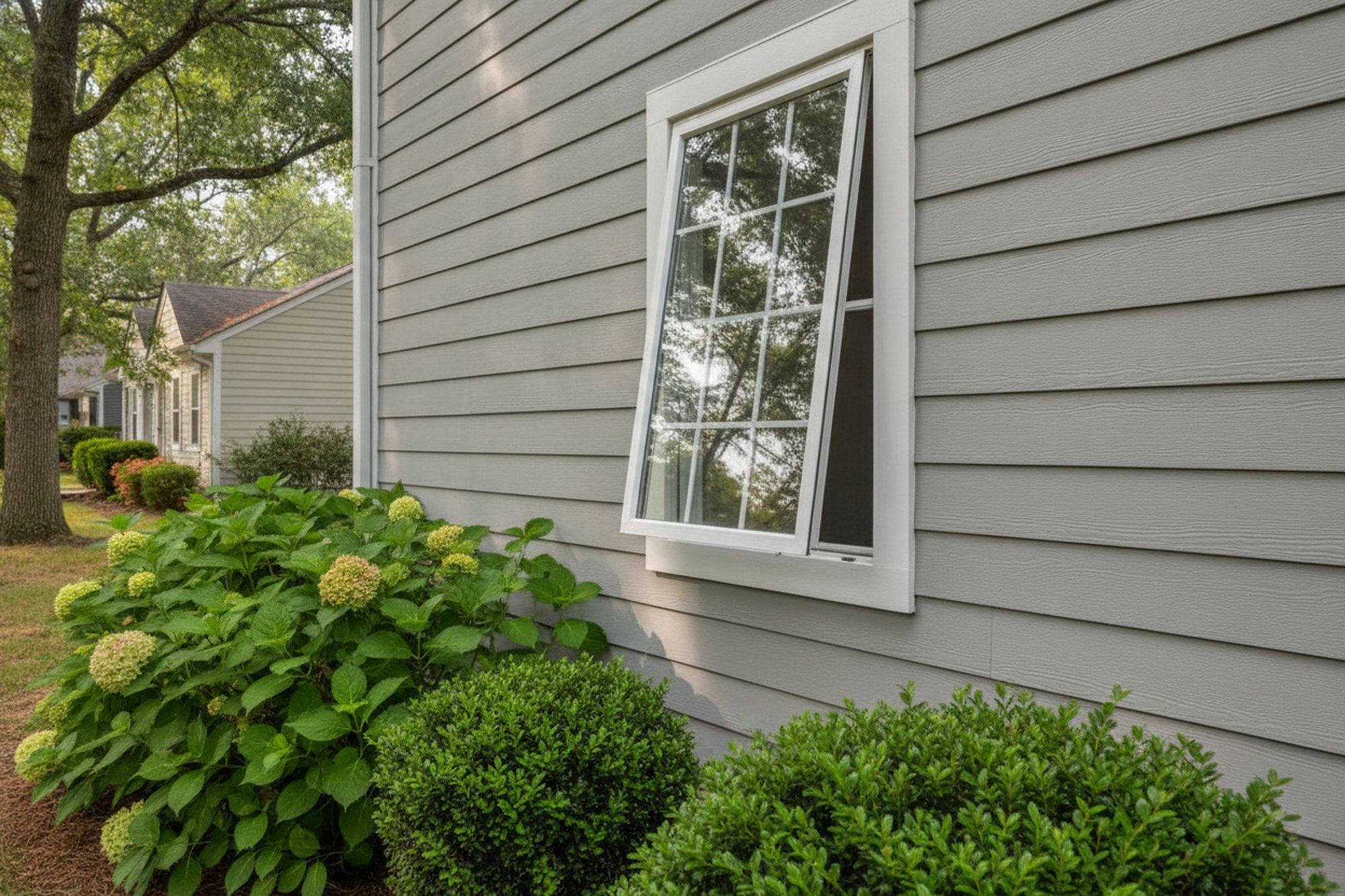
Why casement windows seal so well
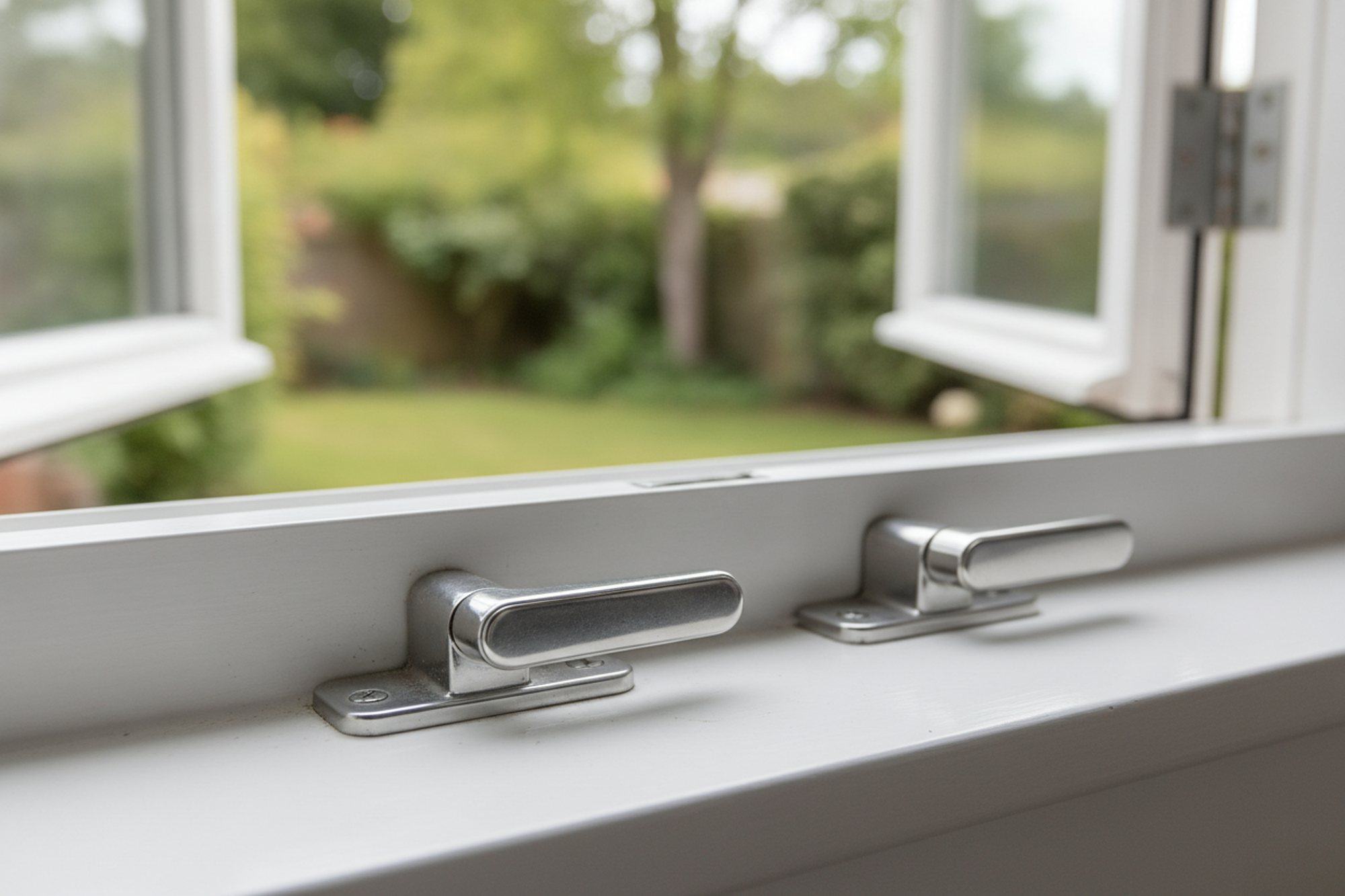
When a casement closes, the handle pulls the sash into the frame and multi-point locks hold it at several spots along the edge. The weatherstripping is squeezed, not slid against. On a gusty day, wind pushing on the glass presses the sash tighter instead of finding a gap.
That makes casement windows a strong pick for the windy side of the house and for rooms where you feel a draft near the glass. They also open the full width of the sash, so they move more air than a sliding window of the same size.
Good places for a casement, and a few poor ones
Over sinks and counters
A crank is easier than lifting a sash across a counter.
Bedrooms and offices
The full opening catches a breeze, and the locks hold the sash tight when it’s closed.
Beside a picture window
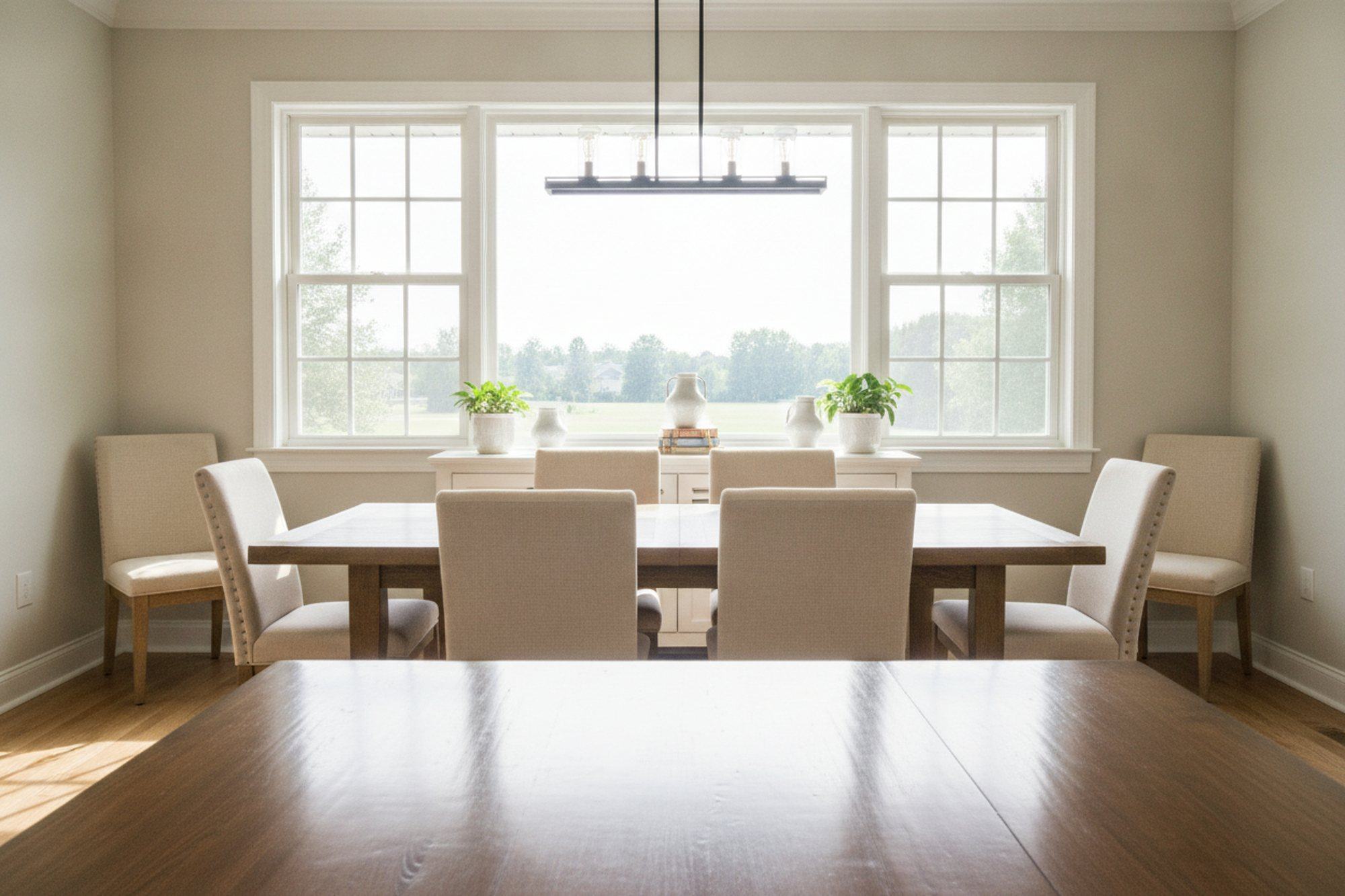
Casements on each side of a fixed center pane give a wide view that still opens.
Next to a walkway
Poor fit. An open sash sticks out and can catch someone walking by. An awning or slider works better.
Under a deck or porch roof
Check the swing first. Railings and posts can stop the sash short.
Very wide openings
Split into two or three units. One huge sash sags on its hinges over time.
Swapping in casement windows: what changes on install day
Most casements go in as inserts, fitted inside the existing frame so the interior trim stays put. The crew pulls the old windows early, which goes quickly, then sets the new casements a group at a time. Each one is shimmed square so the sash closes evenly on every side, fastened, and sprayed with low-expansion foam right away, so the house is sealed again well before any trim work starts.
Converting a slider or double-hung to casements takes more planning. Grids, sash split and handle hardware are picked at the measure so the new units match the rest of the house. Once everything is in and foamed, the finishing happens inside and out together: light trim work indoors, and bent metal wrap over the exterior trim outdoors, in the house color or a contrasting one if you’d like the windows to stand out.
- Hinge side picked so the sash opens toward the breeze or away from a walkway
- Screens go inside on a casement, so they stay cleaner and are easy to pull for winter
- Hardware finish matched to the other windows in the room
Casement window questions
Do casement windows work above a kitchen sink?
They’re one of the best choices there. Reaching across a sink to lift a sash is awkward, while a casement opens with a short crank at the sill. Ask for a folding handle so it doesn’t catch on the blinds.
Can a slider opening take a casement instead?
Usually. A wide slider opening often becomes two casements side by side, or a casement next to a fixed picture section. We check the width at the measure, since very narrow or very wide sashes don’t work well as casements.
Are casements harder to keep clean?
Easier for most people. When the sash swings open there’s room to reach the outside of the glass from inside the house, which matters on a second floor.
What happens if a casement crank wears out?
Operators are a replaceable part on a casement. Keeping the hinge track clean and a little lubricated keeps the crank turning easily for years.
More of what we install
- 01Double Hung WindowsBoth sashes move and tilt in, so the outside glass gets cleaned from inside.
- 02Full Frame Window ReplacementDown to the rough opening, or a new window set inside the old frame.
- 03Hail Damaged Window ReplacementWhole windows replaced after a storm cracks frames or breaks seals.
- 04Sliding Glass Door ReplacementThe full door unit out, a new one set on a flashed, level sill.
- 05Basement Window ReplacementRusted steel and single-pane basement windows traded for sealed vinyl.
- 06Window replacement costThe Kansas City average and how a written quote breaks down.